
Menu
University research directory
Research labs at
Case Western Reserve University.
Compare 5 listed faculty-led profiles, explore their research interests, and follow the evidence in their selected work. These listings are a starting point for discovery and do not establish recruiting availability.
Explore the research before reaching out
Review each lab’s official website and recent publications. Compare the methods used, the questions being asked, and the practical requirements of any published opening. Unclaimed profiles are independently curated; the university has not approved or endorsed them.
How to compare research labs ↗Official university website ↗5 research-led lab profiles
Browse labs by their listed college affiliationCarlos E. Crespo-Hernández Research Group
Case Western Reserve UniversityCarlos E. Crespo-Hernández · Professor
How do light-induced electronic excited-state dynamics in molecules control photochemical reactions relevant to therapy and imaging? The group studies excited-state dynamics of UVA sensitizers and DNA analogues using time-resolved electronic spectroscopy and ultrafast methods to identify reaction pathways. Researchers measure ultrafast intersystem crossing rates and singlet oxygen yields in heavy-atom-free photosensitizers to evaluate photodynamic therapy efficacy. They synthesize and test small-molecule photosensitizers, photoswitches, and photonic materials, combining spectroscopy, HPLC, NMR, mass spectrometry, and microscopy for characterization. Computational chemistry and time-resolved instrumentation from femtoseconds to microseconds are used to link electronic relaxation mechanisms with observed chemical and cellular dynamics and photophysical behavior.
 Independently curated · Unclaimed
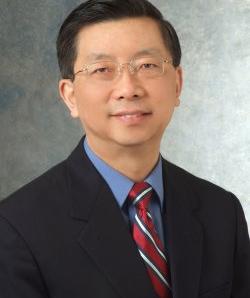
Radhika Atit Research Group
Case Western Reserve UniversityRadhika Atit · Professor
How do lipid changes influence skin fibrosis and cranial bone growth during development and disease? The laboratory uses mouse genetic tools to test functional mediators of lipid depletion during skin fibrosis. Researchers use mouse genetics to study regulators of craniofacial bone growth and identify molecular mediators affecting skull development. Experimental approaches combine genetic manipulation and phenotypic analysis to link lipid metabolism with tissue fibrosis and bone formation. Projects aim to reveal fundamental developmental mechanisms relevant to skin and skull bone diseases by interrogating gene function in vivo with targeted genetic models.
 Independently curated · Unclaimed
Robert X. Gao Research Group
Case Western Reserve UniversityRobert X. Gao · Cady Staley Professor of Engineering
How can multi-physics sensing and stochastic modeling improve observability and control of complex manufacturing processes? The group develops multi-physics sensing technologies and miniaturized sensors to measure in-situ process variables such as pressure, temperature, and other signals. Researchers design physics-informed AI and machine learning methods, including physics-guided Gaussian processes and probabilistic recurrent neural networks, to predict system performance and remaining useful life. The lab integrates analytical, numerical, and experimental methods to create high-speed measurement instruments and AI-driven data analytics for process monitoring. Current projects target AI-enhanced control and autonomy in hybrid autonomous manufacturing processes and digital-twin-driven virtual commissioning.
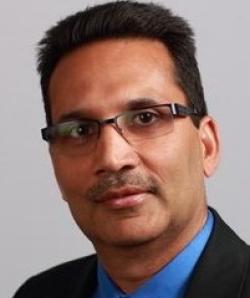
Sarah Bagby Research Group
Case Western Reserve UniversitySarah Bagby · Associate Professor
How do environmental variables drive the evolution and spread of microbial and viral functional innovations across ecosystems? The lab conducts fieldwork and bioinformatics studies to describe microbial communities and in situ processes across environmental gradients. Researchers perform experiments using ecological, microbiological, and biochemical methods to identify and characterize molecular innovations such as gated microcompartments and pigment biosynthesis pathways. The group applies ecoinformatics to quantify the effects of microbial community processes on biogeochemical cycles and the Earth system. Projects link molecular mechanisms to ecosystem-level impacts by combining sequencing, experimental manipulation, and computational analysis.
 Independently curated · Unclaimed
Vipin Chaudhary Research Group
Case Western Reserve UniversityVipin Chaudhary · Kevin J. Kranzusch Professor in Computer & Data Science
How can high-performance computing accelerate machine learning on very large scientific datasets to enable faster discoveries? The group pursues projects in high performance computing and machine learning, applying compiler and network expertise to scale algorithms for large data processing. Researchers develop methods in artificial intelligence and quantum computing to explore new computation paradigms and improve performance of scientific applications. The lab uses computer-aided diagnosis and digital image processing techniques to analyze biomedical data and support intervention research. The group secures and manages large externally funded projects to translate scalable computing methods into deployed research infrastructure.
Showing 1–5 of 5 labs