
Menu
University research directory
Research labs at
University of Rochester.
Compare 5 listed faculty-led profiles, explore their research interests, and follow the evidence in their selected work. These listings are a starting point for discovery and do not establish recruiting availability.
Explore the research before reaching out
Review each lab’s official website and recent publications. Compare the methods used, the questions being asked, and the practical requirements of any published opening. Unclaimed profiles are independently curated; the university has not approved or endorsed them.
How to compare research labs ↗Official university website ↗5 research-led lab profiles
Browse labs by their listed college affiliation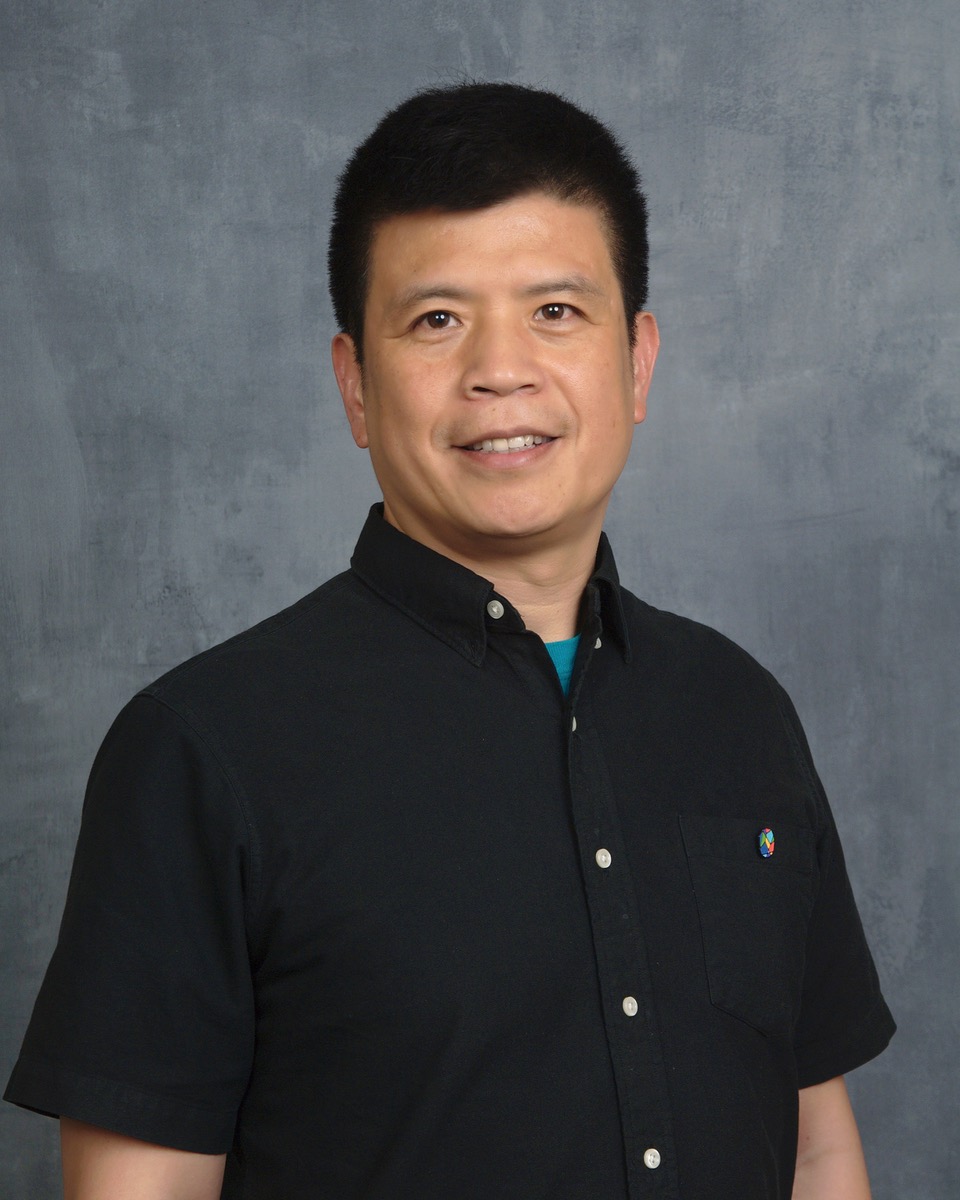 Independently curated · Unclaimed
Chen Ding Research Group
University of Rochester
Chen Ding · Professor of Computer Science
Can mathematical locality measures predict and minimize data movement across cache hierarchies to improve program performance and energy efficiency? The research develops formal locality theory and reuse-distance models to quantify data movement and working-set behavior across memory levels. The group designs compiler and runtime techniques, including cache hints and programmable caches, that translate locality metrics into code and cache-control optimizations. Researchers analyze data movement complexity and develop tools for benchmarking and modeling CPU/GPU cache behavior to guide optimizations. Work also addresses parallel-memory allocation and locality-aware runtime systems to reduce contention and improve scalable performance.
 Independently curated · Unclaimed
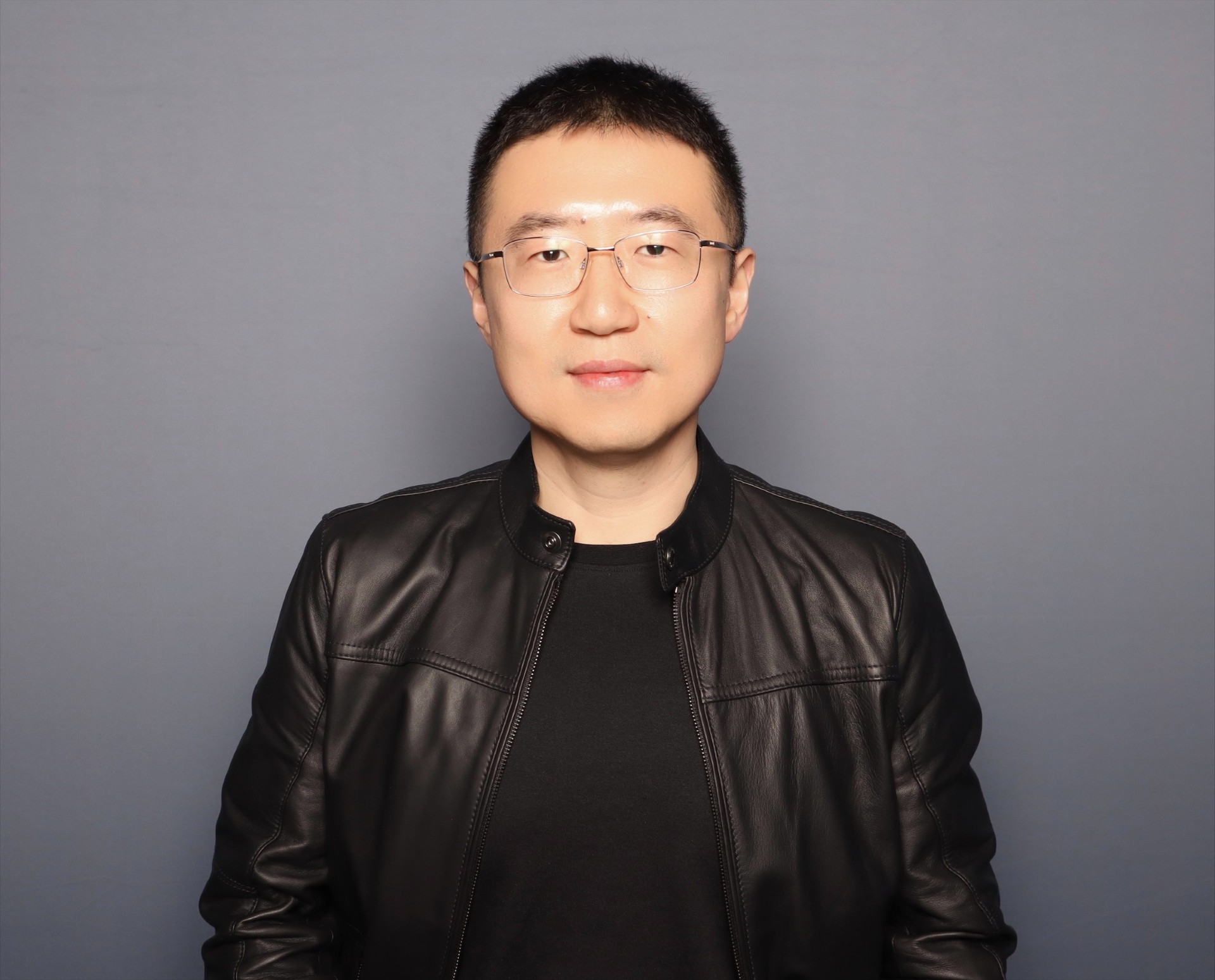
Chenliang Xu Research Group
University of RochesterChenliang Xu · Associate Professor of Computer Science
How can video understanding methods link vision and language to describe actions and narratives in moving images? The group develops methods for video segmentation and fine-grained actor-action segmentation to separate actors and actions across frames using computer vision algorithms. Researchers build activity recognition and video storytelling models that combine visual features with natural language representations to generate coherent descriptions of video content. The group explores cross-modal audio-visual generation to synthesize complementary modalities for richer video understanding using deep multimodal learning. Recent projects include work on multimodal vision-and-x modeling and trustworthy AI for video tasks.
 Independently curated · Unclaimed
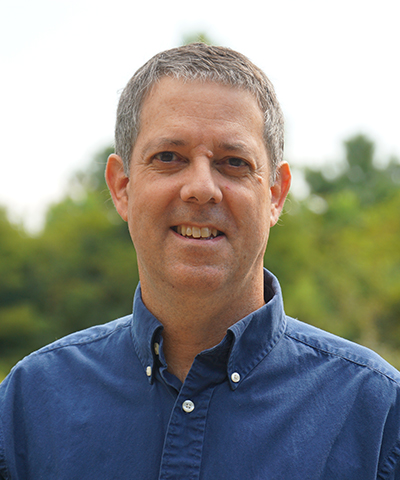
Kevin Righter Research Group
University of RochesterKevin Righter · Professor of Earth and Environmental Sciences
How did core formation and magma ocean melting control volatile and siderophile element distributions during planet formation? The group conducts experimental petrology that reproduces high pressures and temperatures to study magma ocean crystallization and melting pathways. Researchers experimentally determine trace element partitioning, isotopic tracer behavior, and redox state to constrain mantle differentiation mechanisms. The lab performs geochemical and petrographic analyses of meteorites and OSIRIS-REx Bennu samples to reconstruct asteroid alteration and formation pathways. He is building a laboratory at Rochester to simulate planetary interiors and run high pressure and temperature experiments connecting results to planetary compositions.
 Independently curated · Unclaimed
Mark F. Bocko Research Group
University of RochesterMark F. Bocko · Professor
How can signal processing and device design improve audio displays, sensing, and low-noise detection of weak signals? The group develops flat-panel loudspeakers, spatial audio displays, and models for room impulse responses using acoustic signal processing and modal analysis. Researchers create sensitive sensors and transducers including capacitive displacement sensors and non-contact ECG electrodes by combining analog readout with direct-to-digital conversion techniques. The team investigates superconducting digital electronics and Josephson junction circuits for high-frequency digital signal processing and quantum-coherent measurements. Ongoing projects include audio source separation, music transcription, and model-based musical sound synthesis reported in recent publications.
 Independently curated · Unclaimed
Xin Bi Research Group
University of RochesterXin Bi · Professor
How do silencers and chromatin elements determine the spatial limits of gene silencing and expression in yeast models? The group investigates whether silencers act in an orientation-dependent fashion by examining cis-acting DNA elements and trans-acting protein factors using genetic and biochemical assays. Researchers study how barrier elements restrict Sir complex spreading by characterizing identified barrier sequences and testing their ability to block silent chromatin propagation. The lab tests whether histone hypoacetylation rather than chromatin compaction is the primary mechanism of repression by manipulating targeted histone acetyltransferases and measuring nucleosome acetylation and transcription. Ongoing projects include DNA damage tolerance and chromatin boundary element studies reported in the group's selected publications.
Showing 1–5 of 5 labs