
Menu
University research directory
Research labs at
Georgetown University.
Compare 5 listed faculty-led profiles, explore their research interests, and follow the evidence in their selected work. These listings are a starting point for discovery and do not establish recruiting availability.
Explore the research before reaching out
Review each lab’s official website and recent publications. Compare the methods used, the questions being asked, and the practical requirements of any published opening. Unclaimed profiles are independently curated; the university has not approved or endorsed them.
How to compare research labs ↗Official university website ↗5 research-led lab profiles
Browse labs by their listed college affiliationAlbert J. Fornace Jr. Research Group
Georgetown University
Albert J. Fornace Jr. · Professor
How do mammalian cells detect and respond to genotoxic and environmental stresses to influence cancer risk and injury? The laboratory investigates mammalian stress responses and signaling networks activated after ionizing radiation and chemical insults, focusing on GADD gene family roles in DNA-damage responses. Researchers examine p38 MAP kinase and Wip1 phosphatase signaling to understand links between stress signaling, tumor suppression, and oncogenic processes. The group develops transcriptomics and metabolomics approaches to identify biomarkers of radiation exposure and injury for applications in radiobiology and molecular toxicology. They study space-radiation effects on gastrointestinal cancer risk through a NASA-supported NSCOR program and related metabolomic profiling projects.
Brent T. Harris Research Group
Georgetown UniversityBrent T. Harris · Associate Professor of Neurology and Pathology
Why do upper and lower motor neurons selectively degenerate in ALS and related diseases? The lab studies basic cellular and molecular pathogenesis of ALS using defined neuronal and glial cells in culture to identify signals that promote motor neuron survival or contribute to degeneration. The group uses rodent transgenic models (SOD1, TDP-43) to examine how cellular interactions and molecular defects produce ALS-like disease in vivo. Researchers analyze axonal transport and mitochondrial dysfunction in motor neurons with live imaging to link organelle dynamics to degeneration.
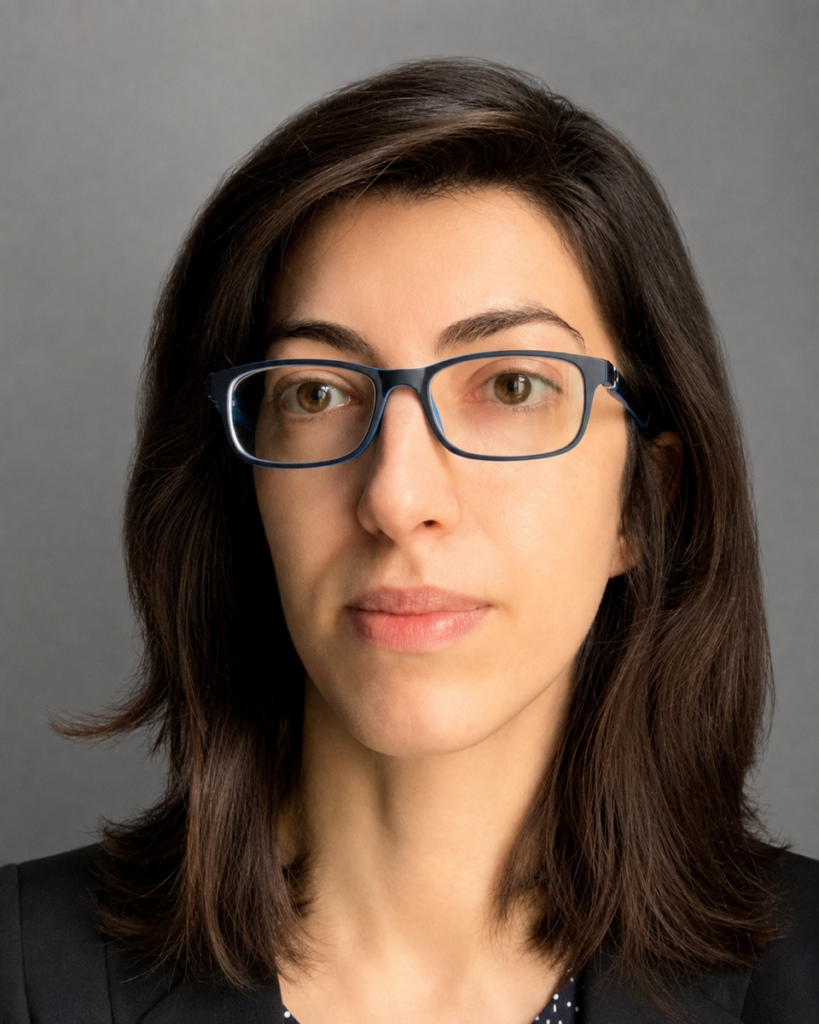 Independently curated · Unclaimed
Iuliana Ene Research Group
Georgetown UniversityIuliana Ene · Assistant Professor
How do fungal pathogens change genetically to survive antifungal drugs and the human host environment? Her laboratory analyzes genome plasticity to document chromosomal and copy-number changes that occur during drug exposure. Researchers measure phenotypic heterogeneity within fungal populations to link cell-to-cell communication with drug tolerance and resistance. The group investigates how host adaptation emerges by comparing genetic diversity and expression profiles across strains from different environments. She pursues antifungal drug discovery by identifying vulnerabilities that could guide development of improved antifungal therapies.
The Armbruster Lab
Georgetown UniversityPeter Armbruster · Davis Family Professor
How do mosquitoes adapt to new environments and survive seasons that interrupt growth? The lab studies the interaction between ecological conditions and genetic mechanisms in natural populations, using container-breeding mosquitoes as experimental systems. Researchers combine field ecology, quantitative and population genetics, and molecular biology to investigate evolutionary change. Research themes include range expansion, adaptation genomics and diapause, a period of developmental arrest. Recent doctoral work examined how temperature affects survival, energy use and development in dormant Asian tiger mosquitoes, linking seasonal biology with adaptation.
The Bansal Lab
Georgetown UniversityShweta Bansal · Professor
How do social connections and population structure change the paths taken by infectious diseases? The lab develops quantitative models using network theory to study transmission in people and livestock. Research examines how particular population structures affect disease spread and how interventions can be designed to work in practical settings. The group also studies interactions between hosts and pathogens, including the evolutionary consequences of those interactions. Documented study systems include human influenza and livestock foot-and-mouth disease, connecting disease ecology with epidemiology and public and animal health.
Showing 1–5 of 5 labs