
Menu
Research labs across colleges and universities
Find a lab
worth exploring.
Browse faculty research, publications, teams, and contact details. Unclaimed listings are independently curated from public sources and do not imply endorsement or recruiting availability.
About listings, corrections, and removal ↗541 research-led lab profiles
Browse labs by their listed college affiliationRustom Antia Research Group
Emory University
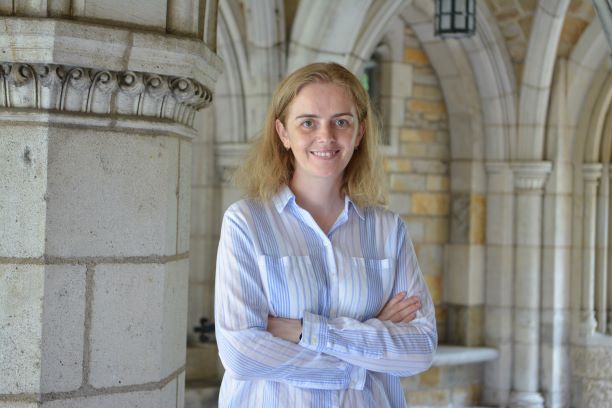
Rustom Antia · Samuel C. Dobbs Professor of Biology
How do pathogens and immune responses change over time within hosts, and what drives those dynamics? The Antia Lab uses mathematical models and computer simulations to study pathogen and immune-response dynamics and to generate testable predictions. The group validates models by confronting them with experimental data and collaborates with experimental immunologists to conduct relevant experiments. The lab works closely with experimental partners, specifically the group of Dr. Rafi Ahmed at Emory, to compare model predictions with empirical results.
 Independently curated · Unclaimed
Ruzica Piskac Research Group
Yale University
Ruzica Piskac · Professor of Computer Science
How can formal methods and automated reasoning improve software reliability and trustworthiness in real-world systems? The ROSE group develops program synthesis and software verification techniques using decision procedures and automated reasoning to certify program correctness. Researchers build tools and apply automated reasoning to software configuration, firewall repair, and synthesis of verifiable code snippets. Projects use theorem proving, SMT decision procedures, and synthesis pipelines to detect and repair software bugs and configuration errors. The group combines formal approaches with applied security and cryptography to prove properties of programs and protocols.
Ryan Carney Research Group
University of South FloridaRyan Carney · Associate Professor
Dinosaurs and disease surveillance meet in Ryan Carney’s unusually broad research program. His paleontology work uses three-dimensional imaging, modeling, and animation to study Archaeopteryx, functional anatomy, and the evolution of bird flight. A second direction applies artificial intelligence, citizen-science observations, remote sensing, and geographic modeling to mosquitoes and the diseases they transmit. Virtual and augmented reality help translate anatomical research into visual teaching tools. Across these projects, digital methods reveal biological patterns and make complex information useful for scientific analysis, education, and public-health monitoring.
Ryan Richards Research Group
Colorado School of Mines
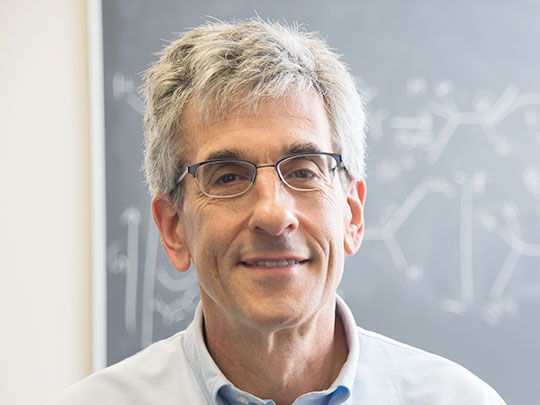
Ryan Richards · University Distinguished Professor
Ryan Richards’ group builds nanostructured materials and studies how their surfaces determine useful chemical behavior. Research develops synthetic methods for controlling composition and morphology, then connects structure with properties such as catalytic activity and carbon capture. Earth-abundant materials are a particular interest for renewable energy technologies. Another direction recovers elements from electronic waste and spent catalysts, exploring how reclaimed components can become inks for printing new materials. The work connects inorganic chemistry, nanoscale characterization, and resource recovery with the design of more sustainable material systems.
 Independently curated · Unclaimed
Samuel H. Gellman Research Group
University of Wisconsin-Madison
Samuel H. Gellman · Ralph F. Hirschmann Professor
Can systematic backbone modification of polypeptides produce stable molecules that retain target-binding while resisting proteolysis? The group synthesizes α/β-peptides to test how backbone extension alters folding and recognition by partner proteins. Researchers use chemical synthesis and crystallography to characterize α/β-peptide helices bound to protein targets such as an engineered gp41 fragment. The lab measures biological stability and protease resistance to assess persistence of modified polypeptides in cellular assays. They investigate backbone-modified agonists for B-family GPCRs to map how modifications change receptor signaling profiles.
Sandra B. Wilson Research Group
University of Florida
Sandra B. Wilson · professor
Which propagation methods reliably produce healthy ornamental and native plants for Florida landscapes under commercial production constraints? The group evaluates propagation strategies, including micropropagation and tissue culture, to enable mass clonal propagation and controlled genetic studies. Researchers develop and test infertile cultivars such as new Lantana camara varieties to offer alternatives to invasive forms. The team measures rooting success using treated softwood cuttings and optimizes substrates and misting schedules to improve propagation outcomes. Projects compare production schedules and physiological dormancy treatments to increase availability of desirable native and ornamental plants.
Sanjay Kumar Research Group
University of California, Berkeley
Sanjay Kumar · Professor of Chemical and Biomolecular Engineering
How do mechanical and biophysical signals from the extracellular matrix regulate tumor invasion and neural stem cell fate? The lab engineers tissue‑mimetic culture platforms and biomaterials that control stiffness, ligand presentation, and topography to probe mechanotransduction. Researchers combine micro/nanofabricated platforms, traction and force measurements, and high‑resolution imaging to identify signaling pathways driving glioblastoma invasion and stem cell neurogenesis. Projects include engineered hyaluronic acid hydrogels and stress‑relaxation matrices to dissect TGF‑β and spectrin‑mediated mechanosensitive responses. Studies use molecular perturbations and multiomic screening to link matrix mechanics to invasion‑relevant biochemical pathways.
Sarah Bagby Research Group
Case Western Reserve UniversitySarah Bagby · Associate Professor
How do environmental variables drive the evolution and spread of microbial and viral functional innovations across ecosystems? The lab conducts fieldwork and bioinformatics studies to describe microbial communities and in situ processes across environmental gradients. Researchers perform experiments using ecological, microbiological, and biochemical methods to identify and characterize molecular innovations such as gated microcompartments and pigment biosynthesis pathways. The group applies ecoinformatics to quantify the effects of microbial community processes on biogeochemical cycles and the Earth system. Projects link molecular mechanisms to ecosystem-level impacts by combining sequencing, experimental manipulation, and computational analysis.
Sarah Spiegel Research Group
Virginia Commonwealth University
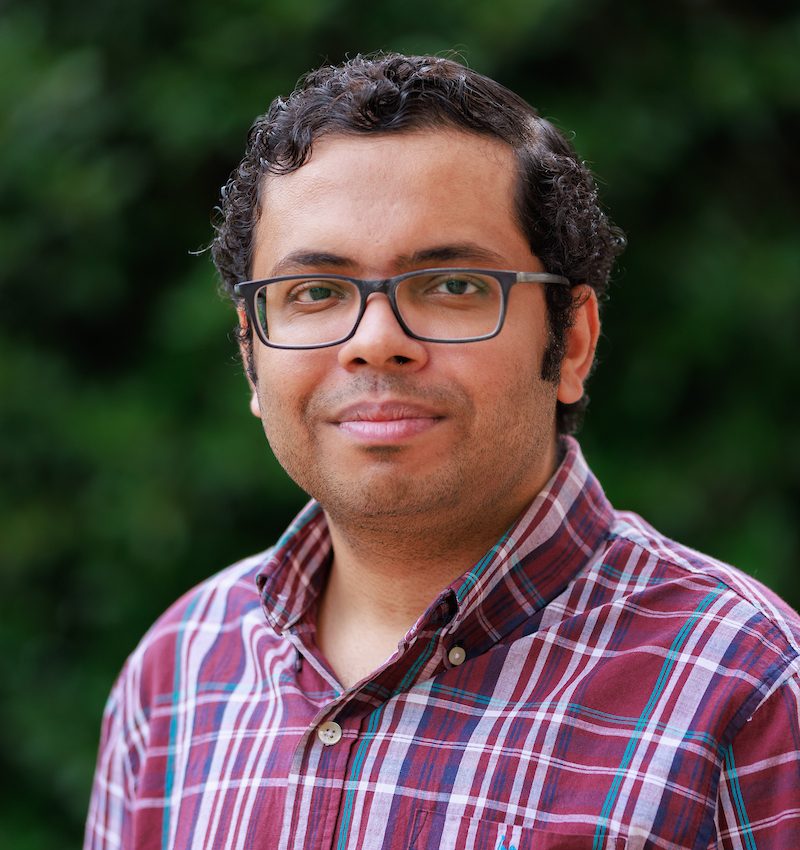
Sarah Spiegel · Professor
A lipid can be much more than a structural part of a cell: it can carry a signal that changes cell behavior. Spiegel investigates sphingosine-1-phosphate, or S1P, and the enzymes that produce it. Her laboratory examines how this signaling system connects inflammation with cancer progression, metastasis, obesity, and metabolic and liver diseases. The work brings lipid metabolism and signal transduction together around mechanisms of disease. Researchers interested in biochemical pathways can explore how a small signaling molecule influences several distinct biological processes and why those connections matter for potential therapeutic targets.
 Independently curated · Unclaimed
Sayanton Dibbo Research Group
The University of Alabama
Sayanton Dibbo · Assistant Professor
Sayanton Dibbo's faculty-led research profile covers Artificial Intelligence, Cyber Security, Data Privacy, and Generative AI & LLMs.
Scott Rixner Research Group
Rice UniversityScott Rixner · Professor of Computer Science
What system designs reduce costly memory transfers between CPUs and accelerators? His research group studies memory systems, virtualization, operating systems and computer architecture, focusing on hardware-software co-design to improve memory and networking performance. The group develops memory access scheduling and superpage management policies and evaluates mechanisms to eliminate redundant memory transfers for accelerators. Researchers implement FPGA accelerators for workloads such as genome variant calling and measure end-to-end performance improvements using hardware prototypes and system software. Work includes building policies for dynamic scaling of virtual machine memory reservations and practical virtualization techniques.
Sergio Sanudo-Wilhelmy Research Group
University of Southern California
Sergio Sanudo-Wilhelmy · Professor of Marine and Environmental Biology
How do bioactive substances and trace elements control phytoplankton dynamics and nutrient cycles in aquatic systems? The research group studies cycling of trace metals, B-vitamins and mineral nutrients to determine their sources, transport, fate and bioavailability. Researchers investigate how bioactive compounds influence carbon and nitrogen fixation and phytoplankton species composition through field sampling and chemical analyses. The group examines anthropogenic impacts on environmental quality and applies results to environmental policy analysis. Methods include trace-metal and vitamin measurements across aquatic systems to link chemical availability with biological responses.
Seth Fraden Research Group
Brandeis University
Seth Fraden · Professor
Fraden explores how collections of small components produce larger patterns and materials. His soft-matter group combines experiment, theory, and simulation across physics, chemistry, biology, and materials science. Research directions include active matter, coupled nonlinear chemical oscillators, microfluidics, protein crystallization, and colloidal liquid crystals. Other projects examine DNA-directed colloid assembly and DNA origami, where molecular interactions can be used to organize structures. For prospective researchers, the appeal is investigating emergence through tangible experimental systems: controlled interactions between particles or chemical units can generate collective behavior that no isolated component exhibits.
 Independently curated · Unclaimed
Shahram Rahimi Research Group
The University of AlabamaShahram Rahimi · Head of the Department of Computer Science, Professor
Shahram Rahimi's faculty-led research profile covers Artificial Intelligence, Computer Science Education, Generative AI & LLMs, and Machine Learning.
Shana O. Kelley Research Group
Northwestern University
Shana O. Kelley · Professor
Can continuous, reagentless sensors enable real-time molecular monitoring in living systems with high specificity? The Kelley Group develops biomolecular sensors and active-reset protein sensors for continuous in vivo monitoring of inflammation and other protein biomarkers. The group builds high-throughput microfluidic and immunomagnetic platforms for rare and single-cell analysis to enable cell therapy development and liquid biopsy assays. Researchers design peptide- and nanoparticle-based intracellular delivery vectors to control intracellular localization and enhance mitochondrial targeting of synthetic molecules. The team combines CRISPR screening, cellular engineering, and nanoscale electrochemical methods to build diagnostic and phenotypic screening tools.
Shashank Shekhar Research Group
Emory UniversityShashank Shekhar · Assistant Professor
How do mechanical forces and regulatory proteins jointly control actin filament dynamics in cells? The lab studies actin dynamics and filament end remodeling using single-filament and single-molecule imaging approaches. Researchers combine microfluidics-assisted single filament imaging and multispectral single-molecule methods to observe protein-driven assembly and depolymerization. The group applies force spectroscopy and advanced TIRF microscopy to measure how mechanical cues alter filament behavior. Projects integrate biophysical experiments with mathematical modeling to explain emergent intracellular actin dynamics across cellular processes.
Shatruk Research Group
Florida State UniversityMichael Shatruk · Distinguished Research Professor
Magnetic molecules and crystalline solids can support quantum behavior with potential uses in information and sensing. Shatruk’s group synthesizes materials and investigates how their structures relate to magnetic and optical properties. Research includes molecular magnetism, photomagnetism, spintronics, molecular qubits, and intermetallic compounds with unusual spin arrangements. Crystal structure determination is complemented by magnetic measurements, spectroscopy, and theoretical calculations. The work brings inorganic and physical chemistry together in the search for responsive materials and quantum magnets, connecting molecular and solid state structure with functionality.
Shay Soker Research Group
Wake Forest University
Shay Soker · Professor
Soker builds small tissue models to investigate how organs develop and how disease changes them. His laboratory combines cell sources, extracellular-matrix scaffolds, tissue vascularization, and imaging to construct bioengineered tissues. Work described by Wake Forest includes miniature human liver constructs and organoids for studying fibrosis, cancer, and drug responses. He also leads the scientific program of the Wake Forest Organoid Research Center. For prospective researchers, this offers a connection between regenerative engineering and disease modeling, with patient-derived cells and three-dimensional tissue environments helping frame more realistic experimental questions.
Shefelbine Lab
Northeastern University, US
Sandra Shefelbine · Professor
How do bones change their structure and strength in response to the forces placed on them? The lab investigates musculoskeletal adaptation using clinical observations, experimental models and computational simulations. Research examines the interplay between bone formation, resorption and mechanical loading. Another direction connects molecular building blocks, including collagen and mineral, with bone architecture and properties across multiple length scales. The group also develops technologies for assessing musculoskeletal biomechanics, with projects examining limb growth, fluid flow in bone adaptation and the mechanics of developing joints.
Shikha Nangia Research Group
Syracuse University
Shikha Nangia · Professor
Shikha Nangia’s group models biological barriers at molecular scales to understand why some drugs cannot reach their targets. A central project examines the architecture of the blood-brain barrier and possible pathways for transporting therapeutic molecules into the brain. Multiscale computational work also covers membrane proteins, lipid and bacterial membranes, disordered proteins, drug delivery, and responsive polymers. The program connects engineering, chemistry, biophysics, and computation with experimental collaborations. Its simulations explore mechanisms and design possibilities relevant to disease research without treating modeled delivery strategies as established therapies.
Shilpa Buch Research Group
University of Nebraska Medical Center
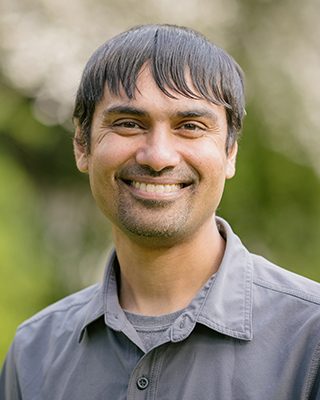
Shilpa Buch · Professor
Buch investigates how HIV, inflammatory signaling, and substance exposure affect the nervous system. Her laboratory studies the interactions between viral proteins and resident brain cells, including pathways that produce neuronal injury or support neuronal survival. Work connects cell culture with animal models and human tissue, and includes chemokines, oxidative stress, and the effects of opioids or cocaine on HIV-related pathology. The group also studies aging in NeuroAIDS. For prospective researchers, the central opportunity is tracing how infection and immune activation alter brain function and identifying mechanisms that could support protective therapeutic strategies.
 Independently curated · Unclaimed
Shwetak N. Patel Research Group
University of WashingtonShwetak N. Patel · Professor
How can ubiquitous sensors and embedded systems enable low-cost health and sustainability monitoring in homes and personal devices? The Ubicomp Lab develops sensing systems and low-power embedded platforms for energy, water, and mobile health monitoring, and novel interaction technologies. Researchers design algorithms in human-computer interaction and machine learning to infer occupancy, energy usage, and physiological signals from commodity sensors. The group prototypes sensor hardware and field-deploys systems for residential energy monitoring, mobile health sensing, and environmental sustainability studies. They translate research through startups and technology transfer targeting real-world sensing and health applications.
 Independently curated · Unclaimed
Siddharth Garg Research Group
New York University (NYU)
Siddharth Garg · Professor of Electrical and Computer Engineering
How can hardware and microarchitectural design enable energy-efficient, secure, and reliable computing? The EnSuRe group researches electronic design automation, micro-architectural solutions, and hardware security techniques for energy-aware and trustworthy chips. Researchers develop methods for secure machine learning, defenses against hardware Trojans, and split-manufacturing approaches to prevent reverse engineering. The team builds energy-aware architectures and tools to address dark-silicon constraints and to optimize power-performance trade-offs. The group designs hardware-aware ML models and Verilog-generation workflows to accelerate privacy-preserving and efficient chip design.
Sidi Chen Research Group
Yale UniversitySidi Chen · Associate Professor of Genetics
Which genes and cell-intrinsic factors control anti-tumor immunity in vivo? The Chen lab performs genome-scale in vivo CRISPR and CRISPRa screens in T cells and tumors to discover regulators of T cell infiltration, degranulation, and tumor immune evasion. The group develops AAV- and CRISPR-based engineering platforms (for example MAEGI and AAV-Cpf1 KIKO) to create and test immune-gene and CAR-T engineering strategies in mouse tumor models. Researchers combine high-throughput genetic screens with precision in vivo cancer models to map tumor-intrinsic suppressors and immune modulators. Technology development includes spatial and scalable perturbation methods to enable therapeutic target discovery.
Showing 433–456 of 541 labs