
Menu
University research directory
Research labs at
University of California, Berkeley.
Compare 5 listed faculty-led profiles, explore their research interests, and follow the evidence in their selected work. These listings are a starting point for discovery and do not establish recruiting availability.
Explore the research before reaching out
Review each lab’s official website and recent publications. Compare the methods used, the questions being asked, and the practical requirements of any published opening. Unclaimed profiles are independently curated; the university has not approved or endorsed them.
How to compare research labs ↗Official university website ↗5 research-led lab profiles
Browse labs by their listed college affiliation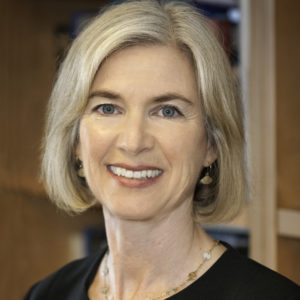 Independently curated · Unclaimed
Doudna Lab
University of California, Berkeley
Jennifer A. Doudna · Li Ka Shing Chancellor’s Professor of Biomedical Science; Professor of Chemistry and Molecular and Cell Biology
Genome editing starts with a molecular search: how does an RNA-guided enzyme find the right DNA sequence? Jennifer Doudna’s lab investigates that mechanism and engineers tools built on it. The group combines structural biology, biochemistry, protein engineering, and functional testing to study CRISPR systems and discover new editing proteins in microbial communities. Selected studies examine the two-step target capture of Cas9 and packaged delivery of Cas9 ribonucleoproteins. For newcomers, the research connects molecular-scale questions about recognition and specificity with the practical challenge of getting an editor into cells.
 Independently curated · Unclaimed
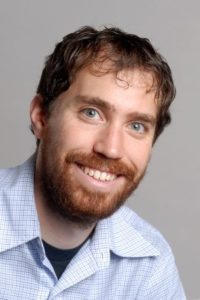
Evan A. Variano Research Group
University of California, BerkeleyEvan A. Variano · Professor
How does turbulence control transport and mixing of solutes and gases in environmental flows at laboratory and field scales? The group develops cutting-edge experimental imaging techniques to measure turbulence and solute transport in laboratory and field settings. Researchers measure gas and aerosol fluxes at interfaces and study flow-structure interaction for free-floating or loosely anchored structures to understand transport in wetlands and sediment suspensions. The group applies measurements to management questions, for example wetland strategies to control greenhouse-gas emissions. Experiments emphasize dense-vegetation and sediment suspension imaging to improve models for environmental engineering decisions.
 Independently curated · Unclaimed
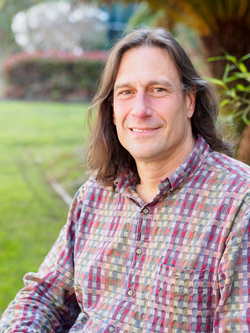
Gary Karpen Research Group
University of California, BerkeleyGary Karpen · Professor of Cell Biology, Development and Physiology
How do nuclear organization and chromatin condensates control genome function and organismal health? The lab studies biocondensate formation and phase separation in heterochromatin using Drosophila and human cells to probe 3D chromatin organization. Researchers combine advanced imaging, chemical and biochemical experiments, and theoretical biophysics to test how emergent biophysical properties impact genome organization. They use inducible single DSB systems and genetic analysis to examine how chromatin states influence homologous recombination and NHEJ pathway choice. The group analyzes centromere haplotypes and satellite-derived AAGAG RNAs to link sequence variation and repeat transcripts to chromosome behavior and fertility.
 Independently curated · Unclaimed
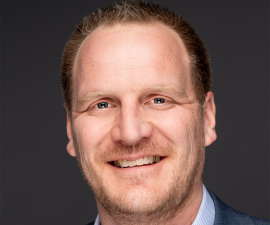
Robert Pilawa‑Podgurski Research Group
University of California, BerkeleyRobert Pilawa‑Podgurski · Professor, Division of Electrical Engineering (EECS)
How can high-density, high-efficiency power converters enable renewable energy and electrified transport applications while remaining experimentally demonstrable? The group designs and prototypes power electronics systems for photovoltaics, grid storage, electric vehicles, and data center power delivery. Researchers combine hardware prototype demonstrations with system-level integration to validate converter topology, thermal and efficiency tradeoffs, and control strategies. Projects include energy-harvesting and electric aircraft power systems using experimental demonstrations to prove feasibility. Work emphasizes experimental validation through building hardware to address technical challenges in energy conversion and integration.
Sanjay Kumar Research Group
University of California, BerkeleySanjay Kumar · Professor of Chemical and Biomolecular Engineering
How do mechanical and biophysical signals from the extracellular matrix regulate tumor invasion and neural stem cell fate? The lab engineers tissue‑mimetic culture platforms and biomaterials that control stiffness, ligand presentation, and topography to probe mechanotransduction. Researchers combine micro/nanofabricated platforms, traction and force measurements, and high‑resolution imaging to identify signaling pathways driving glioblastoma invasion and stem cell neurogenesis. Projects include engineered hyaluronic acid hydrogels and stress‑relaxation matrices to dissect TGF‑β and spectrin‑mediated mechanosensitive responses. Studies use molecular perturbations and multiomic screening to link matrix mechanics to invasion‑relevant biochemical pathways.
Showing 1–5 of 5 labs