
Menu
Research labs across colleges and universities
Find a lab
worth exploring.
Browse faculty research, publications, teams, and contact details. Unclaimed listings are independently curated from public sources and do not imply endorsement or recruiting availability.
About listings, corrections, and removal ↗541 research-led lab profiles
Browse labs by their listed college affiliationBrian Keating Research Group
University of California, San DiegoBrian Keating · Professor, Physics
What experimental measurements can reveal the early-universe physics encoded in cosmic microwave background polarization? The group develops and deploys precision instrumentation and observations to measure CMB polarization and constrain cosmological models. Researchers design and operate telescopes and detectors for observational campaigns, combining experimental cosmology with data analysis methods. The team integrates instrumentation development, observational strategies, and theory to probe inflationary signals and primordial gravitational waves. Projects include instrument fabrication, field deployments, and analysis pipelines to extract faint polarization signatures from sky maps.
 Independently curated · Unclaimed
Brian Langerhans Research Group
North Carolina State University
Brian Langerhans · Professor
Can differences in predators and environments help predict how populations evolve and when new species emerge? The lab compares multiple populations and species across different environments to investigate the forces that generate biological diversity. Researchers combine those comparisons with experiments examining relationships between observable traits, organismal performance and evolutionary fitness. Much of the work studies how predators and other selective pressures shape diversification in small livebearing fishes of the genus Gambusia. The research spans ecological speciation, human-induced evolution, locomotion and predation, connecting environmental differences with changes in organisms and populations.
Brian P. Hermann Research Group
The University of Texas at San Antonio
Brian P. Hermann · Professor
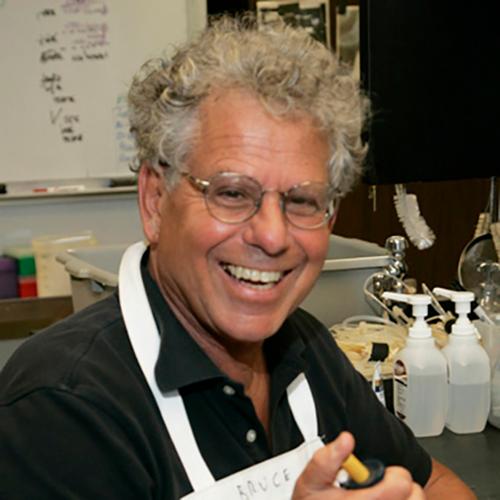
Brian Hermann’s laboratory studies the stem cells that sustain sperm production and their role in male fertility. Research investigates how spermatogonial stem cells are established during development, maintained in adults, and affected by treatments that damage the reproductive system. Animal models and human tissues support questions about fertility preservation, regeneration, and male germline development. The group also applies single-cell and spatial gene-expression approaches to identify cells and their regulatory programs. This work connects basic reproductive stem-cell biology with experimental strategies for infertility and contraception.
 Independently curated · Unclaimed
Bruce Levin Research Group
Emory University
Bruce Levin · Samuel C. Dobbs Professor of Biology
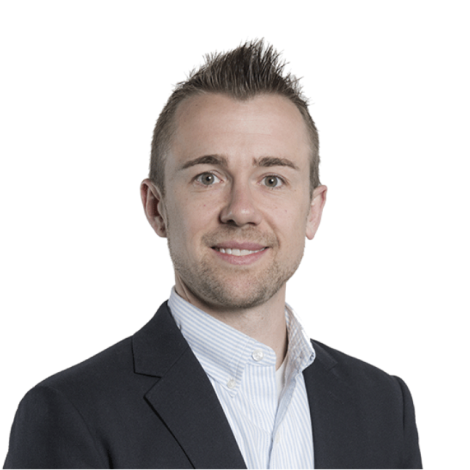
How do bacterial populations and their viruses evolve and interact under antibiotic treatment and ecological change? The Levin Lab uses mathematical and computer simulation modeling alongside in vitro and laboratory animal experiments to study population and evolutionary biology of bacteria and their viruses. The group conducts experiments and theory on antimicrobial chemotherapy and the evolution of resistance to understand treatment failure. Researchers study the pharmacodynamics and pharmacokinetics of antibiotics to link drug behavior to within-host population and evolutionary dynamics. The lab investigates population dynamics, evolution, and control of infectious disease to apply evolutionary theory to health-related problems.
 Independently curated · Unclaimed
Bryan Dickinson Research Group
The University of ChicagoBryan Dickinson · Professor and Associate Chair
How can engineered molecules and evolution-based methods measure and control biological systems in living cells? The Dickinson Group combines synthetic organic chemistry, protein engineering, and molecular evolution to create molecular technologies for studying and controlling biology. Researchers develop rapid selection and evolution-based technologies to create peptide- and protein-based binders, inhibitors, and molecular glues. The group engineers RNA-targeting therapeutics and programmable RNA reader and delivery systems, including CIRTS and taRNAs, to probe and modulate post-transcriptional regulation. They design bioorthogonal acylating probes paired with localized esterase expression to enable proximity-dependent RNA labeling and spatial analysis.
Carl H. June, M.D. Research Group
University of PennsylvaniaCarl H. June, M.D. · Richard W. Vague Professor in Immunotherapy
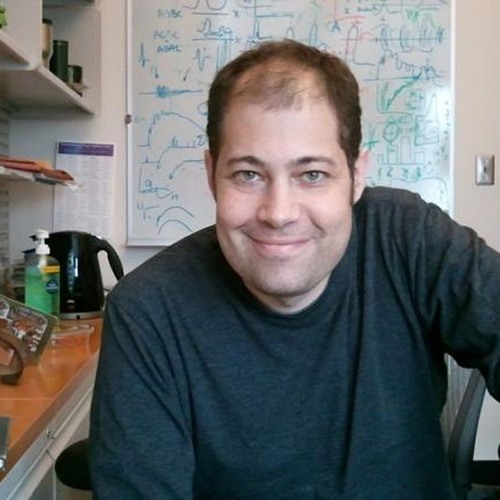
Can engineered T cells be reprogrammed to eliminate cancer while maintaining patient safety? The June Lab focuses on ex vivo T-cell engineering to create cell-based therapies for cancer and HIV. The laboratory is primarily responsible for developing new CARs and new vectors for current and proposed indications and for translating laboratory insights into clinical trials. Researchers apply genetic engineering and vector design to produce CAR T cells and related cellular immunotherapies for clinical testing. The lab integrates translational research to move biologically-focused ideas into safe, effective cancer therapies.
 Independently curated · Unclaimed
Carlos Aizenman Research Group
Brown University
Carlos Aizenman · Professor of Neuroscience
How does sensory experience shape the development and homeostatic regulation of neural circuits during early life? The lab uses electrophysiology and molecular biology to probe mechanisms that regulate neuronal excitability, synaptic connectivity and dendritic morphology. Researchers perform in vivo and in vitro single-cell electrophysiology, calcium imaging and confocal imaging in the Xenopus tadpole visual system to link cellular mechanisms to circuit function. The group manipulates gene expression in individual neurons to test effects on electrophysiological and morphological properties. The team pairs behavioral testing with cellular assays to study how circuit changes affect visually-guided behaviors.
Carlos E. Crespo-Hernández Research Group
Case Western Reserve UniversityCarlos E. Crespo-Hernández · Professor
How do light-induced electronic excited-state dynamics in molecules control photochemical reactions relevant to therapy and imaging? The group studies excited-state dynamics of UVA sensitizers and DNA analogues using time-resolved electronic spectroscopy and ultrafast methods to identify reaction pathways. Researchers measure ultrafast intersystem crossing rates and singlet oxygen yields in heavy-atom-free photosensitizers to evaluate photodynamic therapy efficacy. They synthesize and test small-molecule photosensitizers, photoswitches, and photonic materials, combining spectroscopy, HPLC, NMR, mass spectrometry, and microscopy for characterization. Computational chemistry and time-resolved instrumentation from femtoseconds to microseconds are used to link electronic relaxation mechanisms with observed chemical and cellular dynamics and photophysical behavior.
Carolyn Koh Research Group
Colorado School of Mines
Carolyn Koh · Professor
Water can form crystalline cages that trap gas molecules, creating both engineering hazards and possible energy-storage materials. Carolyn Koh investigates how these clathrate hydrates nucleate, grow, cluster, and break down. Her research combines spectroscopy, neutron diffraction, computer simulation, and macroscopic thermal measurements to connect molecular structures with observable behavior. Understanding inhibitors and promoters helps address hydrate blockages in oil and gas flowlines. Other applications include energy transportation and storage, linking fundamental crystallization science with the challenge of controlling complex materials under demanding operating conditions.
Carrie M. Hall Research Group
Illinois Institute of Technology
Carrie M. Hall · Professor
Cleaner transportation requires understanding how energy systems behave and how to control them. Hall researches models and control methods for advanced engines and automotive powertrains. Her work considers alternative liquid and gaseous fuels, advanced combustion approaches, and hydrogen fuel cell systems, with energy efficiency and lower emissions as central motivations. These interests connect combustion and control engineering to transportation technologies. She also mentors Illinois Tech’s EcoCAR team, where students develop automotive systems and implement them in a Cadillac LYRIQ as part of a university engineering challenge.
Carver Non-profit Genetic Testing Laboratory
University of Iowa
Edwin M. Stone · Professor of Ophthalmology and Visual Sciences
An inherited retinal disorder can begin with a genetic change yet present a complex problem for diagnosis and treatment. Edwin Stone studies the causes and mechanisms of these diseases while developing more specific, sensitive, and affordable genetic testing. His research also uses patient-derived induced pluripotent stem cells to generate retinal tissue and evaluate therapeutic vectors in human cells. Animal models support studies of genetically corrected retinal cells, linking molecular diagnosis with experimental approaches to restoring function without implying an established clinical cure.
Cathy Wu Research Group
University of Delaware
Cathy Wu · Professor
Cathy Wu develops computational methods and knowledge resources that help make large biological datasets interpretable. Her research spans protein informatics, biological text mining, natural-language processing, ontologies, and networks connecting genes, diseases, and drugs. Machine learning and semantic computing support the extraction and organization of information that is otherwise scattered across data and scientific literature. She directs the Protein Information Resource and works across computer science and biology. The program connects biological questions with the infrastructure and analytical methods needed to turn complex information into reusable scientific knowledge.
Chad A. Mirkin Research Group
Northwestern University
Chad A. Mirkin · Professor
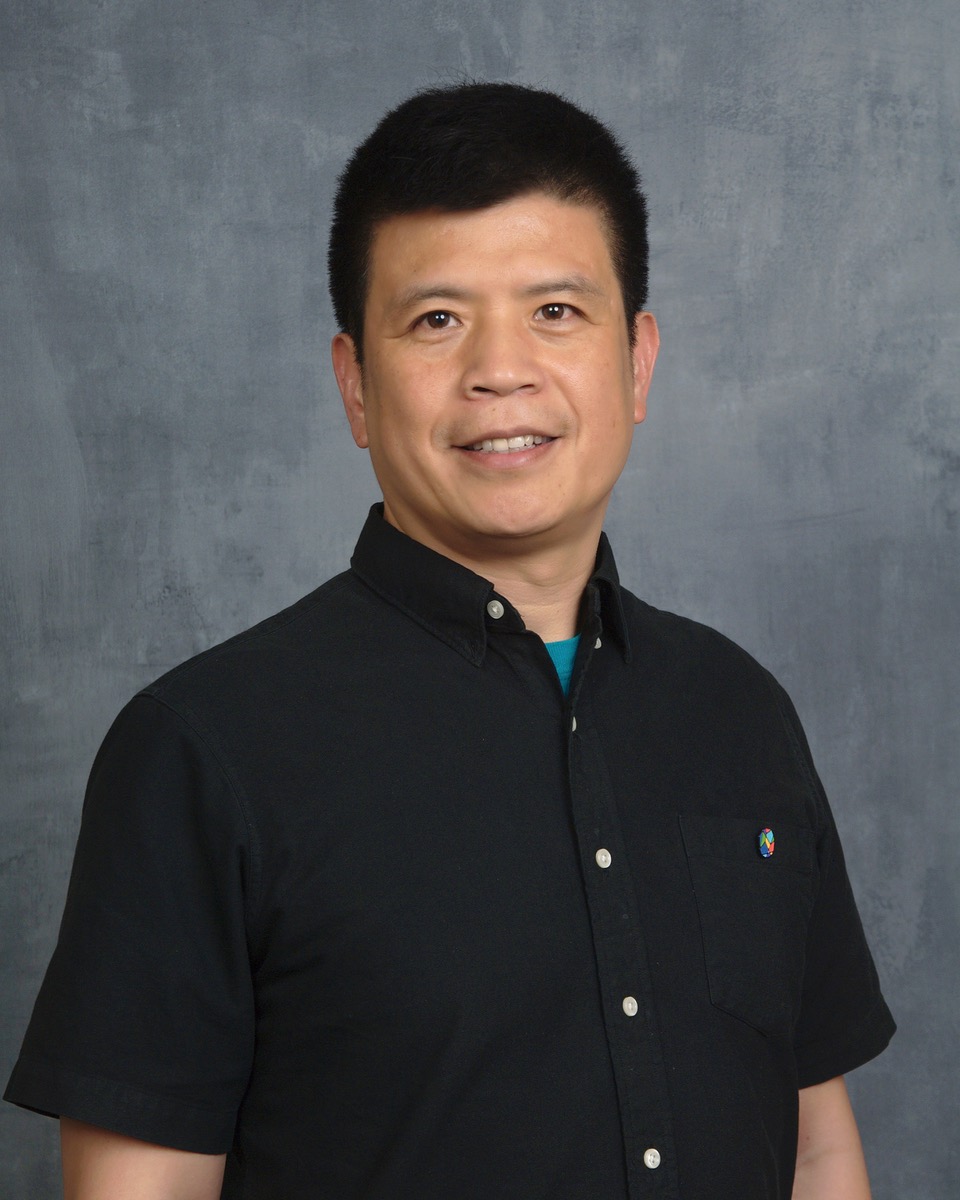
How can DNA-programmed nanoparticle assembly be used to control materials architecture at the nanoscale for sensing and medicine? The Mirkin Group engineers DNA-directed colloidal crystal assembly and spherical nucleic acids to create nanostructured materials for sensing, gene regulation, and nanomedicine. Researchers develop nanoparticle megalibraries and nanocombinatorial chemistry to accelerate discovery of catalysts, optoelectronic, and functional materials. The group applies DNA bonds and shape-complementary particle design to produce space-tiled colloidal crystals and programmable superlattices. Mirkin’s team translates these nanomaterials into analytical tools and vaccine and therapeutic platforms using structural nanomedicine approaches.
 Independently curated · Unclaimed
Chen Ding Research Group
University of Rochester
Chen Ding · Professor of Computer Science
Can mathematical locality measures predict and minimize data movement across cache hierarchies to improve program performance and energy efficiency? The research develops formal locality theory and reuse-distance models to quantify data movement and working-set behavior across memory levels. The group designs compiler and runtime techniques, including cache hints and programmable caches, that translate locality metrics into code and cache-control optimizations. Researchers analyze data movement complexity and develop tools for benchmarking and modeling CPU/GPU cache behavior to guide optimizations. Work also addresses parallel-memory allocation and locality-aware runtime systems to reduce contention and improve scalable performance.
 Independently curated · Unclaimed
Chenhao Tan Research Group
The University of ChicagoChenhao Tan · Associate Professor of Computer Science
How can AI explanations and interactions be designed so humans make better decisions with machine assistance? The Chicago Human + AI (CHAI) Lab builds algorithms to align AI explanations with human interpretation to improve human-AI decision making. The group analyzes large textual datasets and natural experiments to understand how language shapes human decisions, such as persuasion and bargaining. Researchers develop decision-focused summarization and delegation methods so AI highlights the most decision-relevant information for people. The lab explores few-shot learning from human explanations to enable people to efficiently improve large language models.
 Independently curated · Unclaimed
Chenliang Xu Research Group
University of RochesterChenliang Xu · Associate Professor of Computer Science
How can video understanding methods link vision and language to describe actions and narratives in moving images? The group develops methods for video segmentation and fine-grained actor-action segmentation to separate actors and actions across frames using computer vision algorithms. Researchers build activity recognition and video storytelling models that combine visual features with natural language representations to generate coherent descriptions of video content. The group explores cross-modal audio-visual generation to synthesize complementary modalities for richer video understanding using deep multimodal learning. Recent projects include work on multimodal vision-and-x modeling and trustworthy AI for video tasks.
Chitta Baral Research Group
Arizona State University (Tempe)Chitta Baral · Professor
How can knowledge and reasoning be combined with statistical models to improve language and vision understanding? The laboratory of Cognition and Intelligence develops neuro-symbolic and knowledge-based approaches to natural language understanding, vision-language question answering, and multi-modal document understanding. Projects investigate prompting and programming large language models, bias origins in NLP, efficient low-data methods, and knowledge assimilation for inference. Researchers apply methods spanning symbolic knowledge representation, reasoning frameworks, and machine learning to develop robust, generalizable models for tasks in cybersecurity, robotics, and biological and health sciences. The group maintains publications and a public lab website documenting tools and project outputs.
ChiungYu Hung Research Group
The University of Texas at San AntonioChiungYu Hung · Associate Professor
ChiungYu Hung investigates host defenses against fungal pathogens, particularly Coccidioides species that cause Valley fever. Her research connects host–pathogen interactions and immune mechanisms with the development of possible diagnostics, therapeutics, and vaccines. Projects include recombinant-antigen and messenger-RNA approaches to vaccine development, building on questions about how the immune system recognizes and controls fungal infection. The work brings microbiology and immunology together around a pathogen of substantial regional importance. It focuses on experimental strategies for prevention and treatment while examining the biological mechanisms behind protective responses.
Chris Fraker Research Group
University of Miami
Chris Fraker · Research Associate Professor of Surgery
Can improved oxygenation and encapsulation restore normoglycemia without chronic immunosuppression? The Fraker Lab engineers gas‑permeable culture platforms, oxygen‑carrying nano‑emulsions, and slow‑release polymer discs to improve stem cell and islet culture and transplantation outcomes. The group focuses on optimizing islet and stem cell encapsulation to restore normal glucose levels without immunosuppression and improving oxygenation for encapsulated cells. Researchers have developed nano‑emulsion technologies repurposed for injectable formulations and apply these formulations to support MSCs, islets, and immune cells. The lab studies innate immune (NK) cell roles in type 1 diabetes to probe viral and autoimmune hypotheses.
Christan Grant Research Group
University of Florida
Christan Grant · Associate Professor
How can interactive methods improve data acquisition and labeling quality for downstream models? The group develops tools and workflows for data acquisition and labeling across the data pipeline to reduce manual effort and error. Researchers build and evaluate interactive machine learning interfaces to support human-in-the-loop model training and refinement. The team applies visualization techniques to inspect and debug datasets and model outputs to support iterative dataset curation. The group investigates database and data management mechanisms to scale data-intensive experiments and reproducible analyses for data science workloads.
 Independently curated · Unclaimed
Christopher A. Gorski Research Group
Penn State (Main campus)
Christopher A. Gorski · Professor, Civil and Environmental Engineering
How do mineral redox reactions control contaminant fate and enable electrochemical energy processes? Research utilizes advanced spectroscopic and electrochemical approaches to understand mechanisms and thermodynamics of environmental redox processes. Projects include mineral formation and transformation studies that affect pollutant fate and inform energy storage and recovery technologies. Methods employ in-situ spectroscopy, electrochemical measurements, and modeling to develop quantitative predictive models and risk-assessment tools. Current projects listed address electrochemical CO2 capture, thermally regenerative batteries, and ion-selective intercalation electrodes.
 Independently curated · Unclaimed
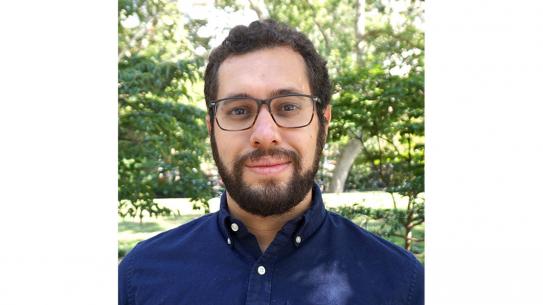
Christopher Batten Research Group
Cornell University
Christopher Batten · Professor
How can programmable accelerators and chip-level interconnection networks be designed to improve performance and energy efficiency of future computer systems? The research group builds prototype systems and tape-out class projects that implement digital ASIC accelerators and mixed digital/analog chips to validate design assumptions and test hardware-software integration. Researchers develop parallel programming frameworks and software-managed scratchpad memory techniques to support dynamic task parallelism and efficient use of manycore architectures. The group explores productive VLSI chip design methodologies and generator-checking techniques for dynamic hardware description languages to improve reliability and correctness of hardware generators. The lab evaluates programmable accelerator architectures and eFPGA integration for cache-coherent SoCs to study scalable accelerator-software interfaces.
 Independently curated · Unclaimed
Christopher Musco Research Group
New York University (NYU)
Christopher Musco · Institute Associate Professor, Computer Science and Engineering
What algorithmic strategies let large datasets be processed with provable speed and accuracy? The group develops randomized linear-algebra sketching methods to compress matrices and accelerate large-scale machine learning while preserving provable error bounds. The group designs streaming and sketching algorithms that process high-rate data with sublinear memory, enabling one-pass summaries for statistical estimation. Researchers analyze optimization and numerical linear algebra mechanisms to improve solver convergence and stability for large problems encountered in data science. The team implements algorithmic prototypes and benchmarks to evaluate tradeoffs between runtime, memory, and theoretical guarantees.
Christopher Snow Research Group
Colorado State University, Fort Collins
Christopher Snow · Professor
Snow uses computation to guide the design of proteins and the structures they assemble into. His group investigates both individual proteins or enzymes and crystalline molecular assemblies, combining protein structure prediction with directed evolution, crystallography, and computational engineering algorithms. Applications described by CSU include catalysis, information storage, biosensors, therapeutic delivery materials, intracellular imaging, and affinity reagents. The distinguishing research question is how molecular design can produce a chosen function reliably. This connects software and structural biology with experiments that test whether designed molecules behave as intended in a useful system.
Showing 73–96 of 541 labs